
Categories
Family, Market, Mortgage, SummerPublished June 25, 2026
What Today's First Time Buyers Are Doing Differently Than Five Years Ago

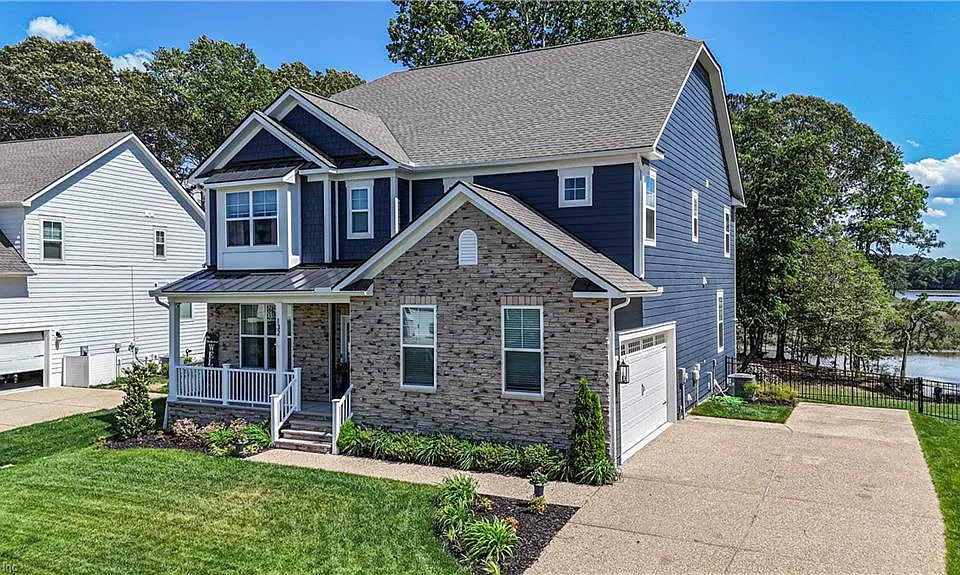
What Today's First Time Buyers Are Doing Differently Than Five Years Ago
The path to homeownership has changed. Five years ago, many first time buyers expected to find a home within a few weekends, put down a traditional offer, and move in within a month or two. While that still happens occasionally, today's buyers are approaching the process much differently. Higher home prices, changing work environments, and shifting financial priorities have encouraged buyers to think more creatively than ever before. Instead of waiting for the "perfect" market, many are adapting their strategies to fit today's realities. Here are some of the biggest ways first time buyers are approaching homeownership differently than they did just a few years ago.
More Buyers Are Considering House Hacking
One strategy that has gained popularity is house hacking. Rather than purchasing a home strictly for personal use, buyers look for opportunities to offset part of their monthly housing costs. This could mean:
- Buying a duplex and living in one unit while renting the other
- Renting out a finished basement or guest suite
- Leasing a spare bedroom to a roommate
- Purchasing a home with future rental potential
For many buyers, this approach makes homeownership feel more financially manageable while creating an opportunity to build equity at the same time. Not every property is suited for this strategy, but it's become a popular option for buyers looking to maximize their investment.
Multigenerational Buying Is Becoming More Common
Today's buyers are also redefining who purchases a home together. More families are combining resources by purchasing homes with parents, adult children, or other relatives. There are many reasons behind this trend. Some families want to help younger buyers enter the housing market sooner. Others are creating living arrangements that better support aging parents or reduce overall housing expenses. Homes with separate living areas, additional bedrooms, private entrances, or flexible floor plans have become especially attractive because they can comfortably accommodate multiple generations under one roof.
Starter Homes Are Getting Smaller
The traditional idea of a starter home has evolved. Many first time buyers are choosing smaller homes instead of stretching their budgets for more square footage. Rather than asking, "How big can we afford?" Many are asking, "What do we truly need right now?"
A smaller home often offers:
- Lower monthly payments
- Lower utility costs
- Less maintenance
- More manageable expenses
- Greater financial flexibility
Many buyers recognize that a first home doesn't have to be their forever home. Instead, they view it as an important first step toward long term homeownership.
Remote Work Has Changed What Buyers Want
The rise of remote and hybrid work has reshaped home searches in ways few people expected. Instead of focusing solely on commute times, buyers are asking different questions. Does the home have space for an office? Is the internet reliable? Will there be enough privacy for video meetings? Does the neighborhood support the lifestyle they want if they spend more time at home?
Some buyers are willing to live farther from traditional business centers if it means gaining more space or a better quality of life. Others still commute regularly but now value flexible floor plans that can adapt to changing work schedules. Home is no longer just where people relax after work. For many, it's also where work happens.
Buyers Are Staying Flexible With Their Wish Lists
Five years ago, many buyers entered the market with a long list of nonnegotiable features. Today's buyers are often more realistic. They understand that finding every desired feature within budget can be difficult. Instead, they focus on priorities. They may compromise on cosmetic updates while insisting on a good location. They might choose fewer bedrooms in exchange for a larger yard. Others are willing to renovate over time rather than expecting a move in ready home. Flexibility has become one of the most valuable tools buyers can bring into today's market.
The Search Often Takes Longer
Perhaps the biggest difference is patience. Many first time buyers now expect the home search to take longer than it once did. Instead of becoming discouraged, they understand that finding the right home often requires persistence. Longer search timelines allow buyers to:
- Better understand neighborhoods
- Compare pricing trends
- Refine their priorities
- Strengthen their financial preparation
- Make more confident decisions
While waiting can sometimes feel frustrating, it also helps buyers avoid making rushed decisions they may regret later.
The Bottom Line
Buying your first home today looks different than it did just a few years ago. Buyers are thinking creatively, staying flexible, and making decisions that reflect both today's market conditions and their long term goals. Whether that means purchasing a smaller home, buying with family, creating rental income, or adjusting expectations, today's first time buyers are proving that success isn't about following the old playbook. It's about finding the strategy that works best for your lifestyle, your finances, and your future. The market may have changed, but the goal remains the same: finding a place to call home while building a strong foundation for the years ahead.
Are you ready to buy? Contact Verity Group for more info! 757-675-6080

Heather Heishman
VG Owner/Agent | Verity Group | Keller Williams Capital Properties
or another way