
Categories
Family, Market, SummerPublished May 19, 2026
Neighborhood Features That Buyers Love More Than Square Footage

Written by Robin Bott
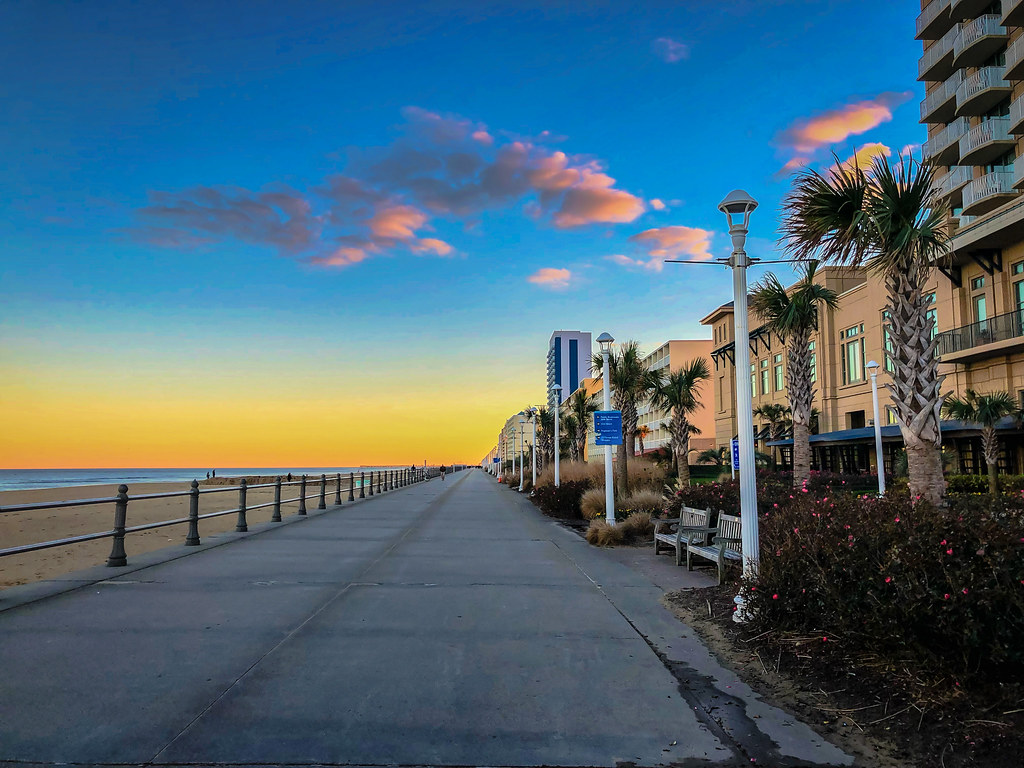
The Neighborhood Features Buyers Care About More Than Square Footage
This one's for the agents! For years, buyers were taught to focus on one thing above almost everything else: square footage. Bigger home. Bigger rooms. Bigger lot. But today’s buyers are thinking differently.More people are prioritizing lifestyle, convenience, and long-term livability over simply buying the largest house possible. And in many cases, the neighborhood surrounding the home matters just as much, if not more, than the home itself. Because once the excitement of granite countertops and open floor plans fades, buyers still have to live with the location every single day. Here are the neighborhood features buyers are paying closer attention to than square footage in today’s market.
Walkability Has Become a Major Selling Point
Buyers increasingly want convenience woven into their daily routine. Being close to:- Coffee shops
- Restaurants
- Parks
- Grocery stores
- Fitness studios
- Entertainment
- Sidewalks and trails
- Stronger community interaction
- Better lifestyle flexibility
- Reduced driving time
- Greater long-term appeal
Commute Patterns Matter More Than Ever
Buyers don’t just ask, “How far is work?” They ask:- What does traffic look like at 8 AM?
- How stressful is the drive?
- Are there multiple route options?
- Is this realistic long-term?
- How often will I actually leave the neighborhood?
- Easier airport access
- Proximity to downtown
- Faster interstate connections
- Shorter school drop-off routes
School Proximity Impacts More Than Just Families
Many buyers assume school considerations only matter if they currently have children. But school proximity affects:- Traffic flow
- Resale demand
- Neighborhood activity
- Future buyer pools
- Property values
- Morning congestion
- Afternoon pickup traffic
- Sporting event noise
- Increased street parking
Noise Levels Can Change How a Home Feels
This is one factor buyers often overlook during quick showings. A home may look perfect online, but the surrounding noise environment can completely affect how it feels in person. Buyers today are paying close attention to:- Road noise
- Highway proximity
- Train tracks
- Flight paths
- Nearby construction
- Commercial activity
- Neighborhood density
- During rush hour
- Late at night
- On weekends
- During school pickup times
Future Development Is Becoming a Bigger Conversation
Many buyers are now researching what’s coming to an area, not just what’s already there. Future development can positively affect:- Property appreciation
- Convenience
- Retail access
- Community growth
- Infrastructure improvements
- Increased traffic
- Overcrowding
- Construction disruption
- Changing neighborhood character
- Is farmland nearby being developed?
- Are new shopping centers planned?
- Will additional housing communities increase congestion?
- Is the area growing sustainably?
Community Feel Is Hard to Measure — But Buyers Feel It Immediately
Some neighborhoods simply feel different. That feeling can come from:- Friendly neighbors
- Active community events
- Well-maintained properties
- Local pride
- Outdoor activity
- Architectural consistency
- A sense of safety and connection
- “Good energy”
- “Family-friendly”
- “Quiet but welcoming”
- “Established”
- “Connected”
Buyers Are Purchasing a Lifestyle — Not Just a Floor Plan
Square footage still matters. But it’s no longer the dominant factor it once was. Today’s buyers are thinking more holistically about how they want their everyday life to function:- How long they’ll spend commuting
- Whether they feel connected to the community
- How convenient daily errands become
- Whether the environment feels peaceful
- How the neighborhood may evolve over time
These are soft skills agents develop over years of working with buyers. Turn this into a cheat sheet so you know how best to guide your buyers!!

or another way